The Reality of Shelter and Clean Water Challenges in Nigeria
Access to clean water and safe shelter remains a daily struggle for millions of Nigerians, especially in rural communities across states like Sokoto, Bauchi, Cross River, and many parts of the North and South.
Widespread Water Access Issues
Despite being rich in water resources, Nigeria faces a severe water crisis:
-
Only about 67% of Nigerians have access to basic drinking water services, meaning more than one-third rely on unimproved, unsafe sources like rivers, ponds, and unprotected wells. allAfrica.com
-
Studies show that only around 10% of households have complete basic water, sanitation, and hygiene access, with rural residents three times more disadvantaged than urban populations. Vanguard News
-
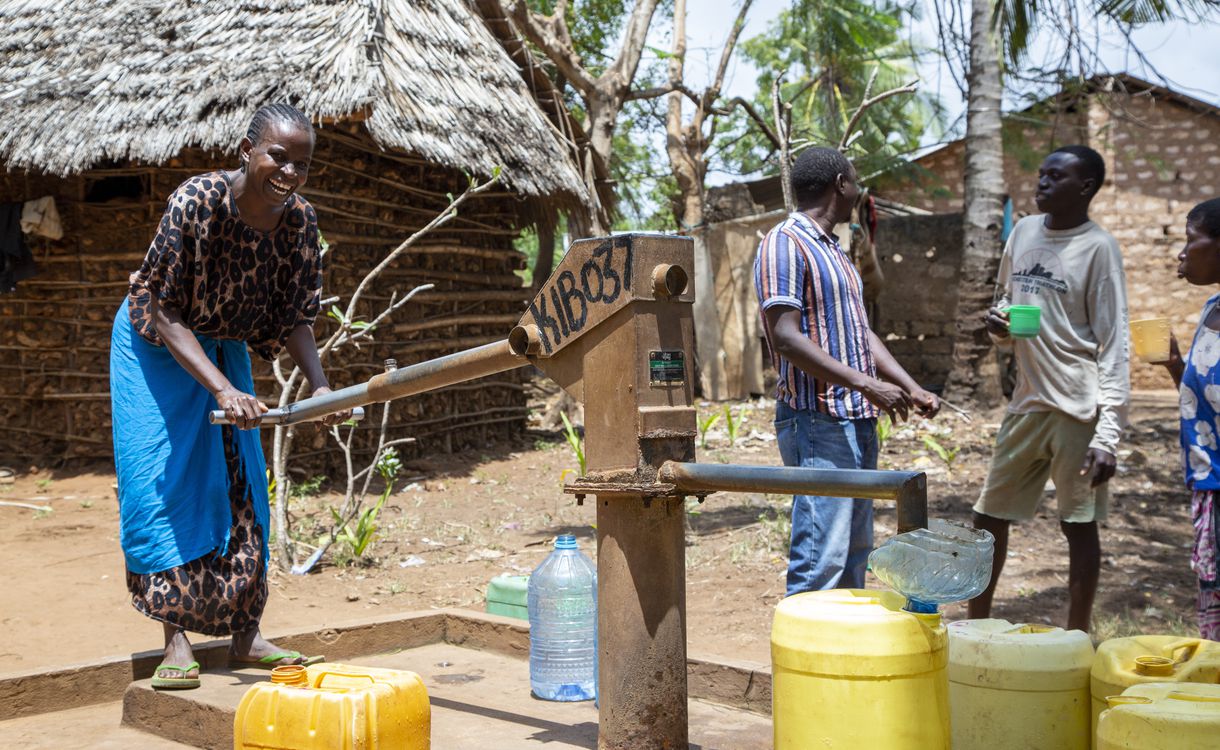
Many rural families spend hours each day walking long distances just to collect water, which drains time from school, work, and income-generating activities. The Nigerian Patriot
-
Serious health risks like cholera and diarrhea remain prevalent when water sources are contaminated — and outbreaks have occurred in places like Zamfara State, severely impacting rural communities. Reuters
These conditions are not just statistics — they affect lives, productivity, and futures.
The Challenge of Safe Shelter
Nigeria’s housing situation is equally challenging:
-
Rural and low-income communities struggle with inadequate, unstable, and unsafe housing, often made from temporary materials unable to withstand weather and environmental pressures.
-
Many families lack access to affordable housing solutions, contributing to overcrowded and substandard living conditions.
These shelter challenges weaken community resilience, create insecurity, and reduce opportunities for families to thrive.
Government Efforts to Address the Crisis
The Nigerian government has initiated programs to improve water infrastructure and housing:
-
Federal and state ministries, like the Ministry of Water Resources and Sanitation, set targets to construct new boreholes and upgrade water systems across states. africahousingnews.com
-
World Bank–supported projects like SURWASH aim to expand water supply, sanitation, and hygiene programs, particularly in underserved communities. Reddit
-
Some states such as Ekiti and Bauchi have implemented local water policies and improved access in certain areas. Medium
Despite these efforts, progress remains slow and uneven, with rural areas still lagging far behind urban centers in both water and shelter access.
Why Private Organizations Must Join the Effort
Government action alone cannot close the gap.
Here’s why private actors like Aqua and Shelter Help Foundation are key:
-
Fill the gap: Rural communities often fall through the cracks of national programs. Targeted NGO interventions can deliver projects where official services are weak or nonexistent.
-
Rapid, community-driven solutions: NGOs can work directly with residents to build, maintain, and sustain boreholes and affordable homes — with local ownership and participation.
-
Flexible, innovative approaches: Organizations like Aqua and Shelter Help Foundation focus on long-term impact by combining infrastructure, training, and empowerment — not one-off installations.
-
Unlock more resources: Private partnerships can attract funding, technology, and expertise — complementing government programs and accelerating progress.
A Call to Action
Millions of Nigerians still struggle for what many take for granted — safe water and secure shelter. Bridging this gap requires coordinated effort from government, private sector, communities, and NGOs.
Initiatives like Aqua and Shelter Help Foundation demonstrate how strategic, compassionate action can change lives, one borehole and one home at a time.
If we combine national policy, local ownership, and targeted private engagement, Nigeria can make lasting progress toward water security and better housing for all.