In Kpere Community, Children Walk Three Hours for Water — and Still Go to School Hoping for a Better Future
Every meaningful development project begins long before construction starts.
It begins with listening.
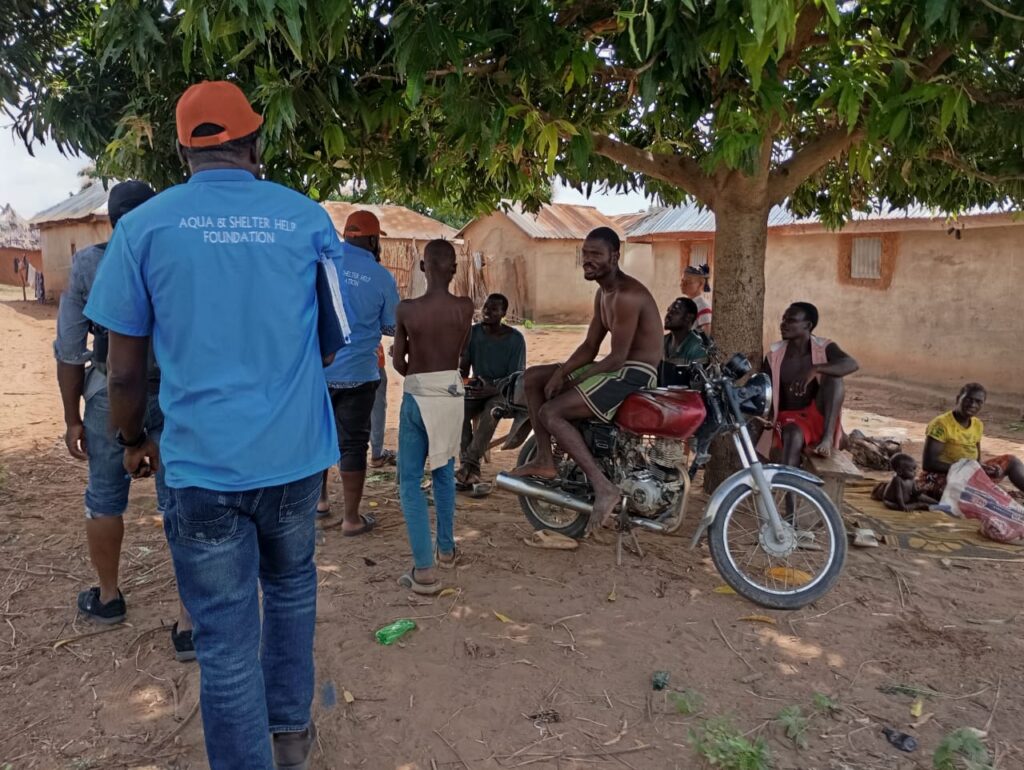
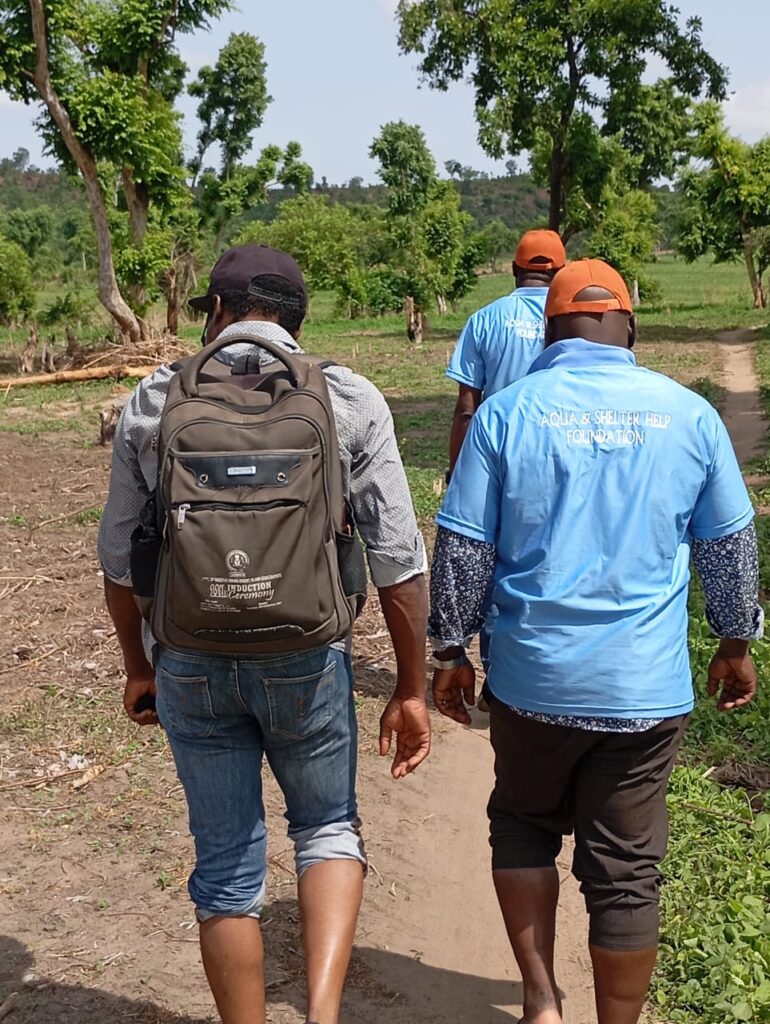
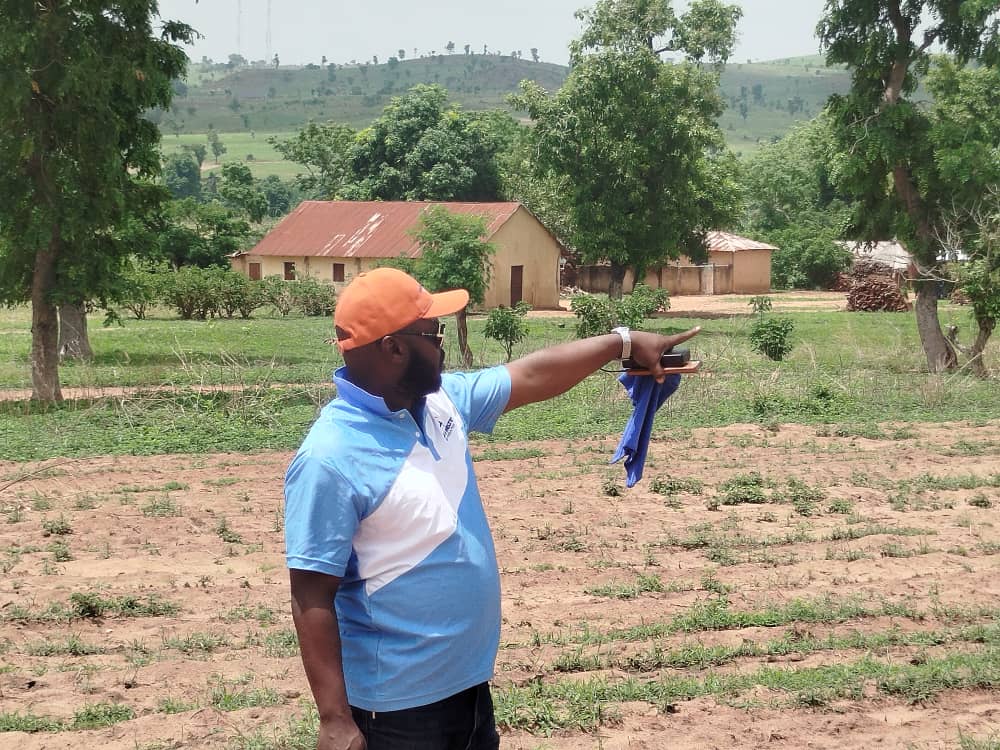
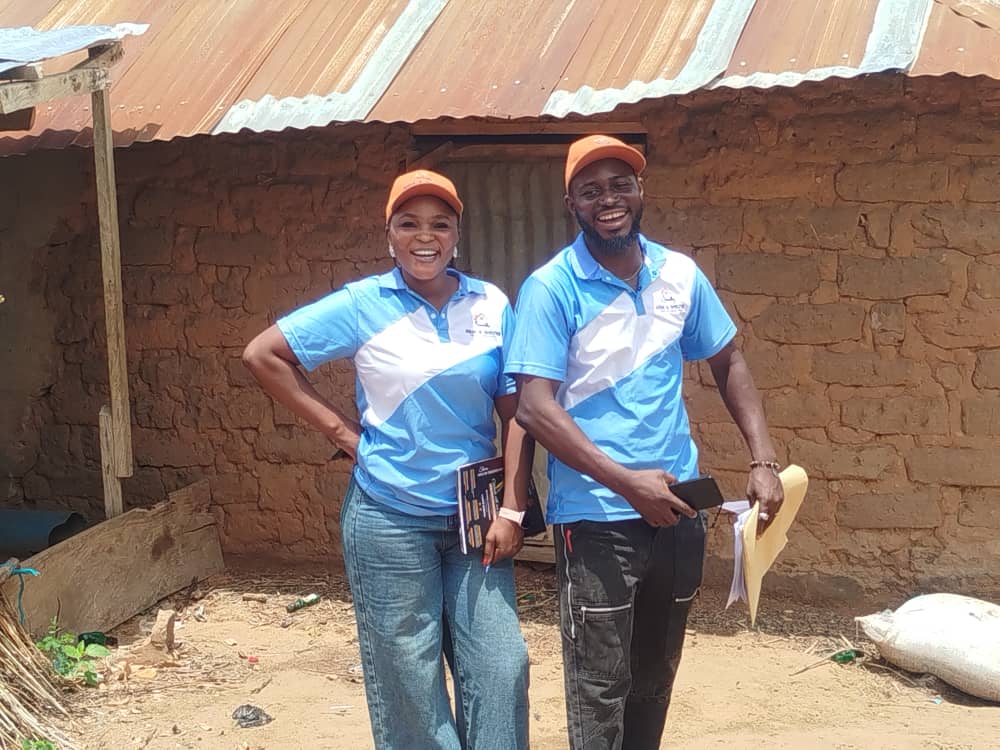
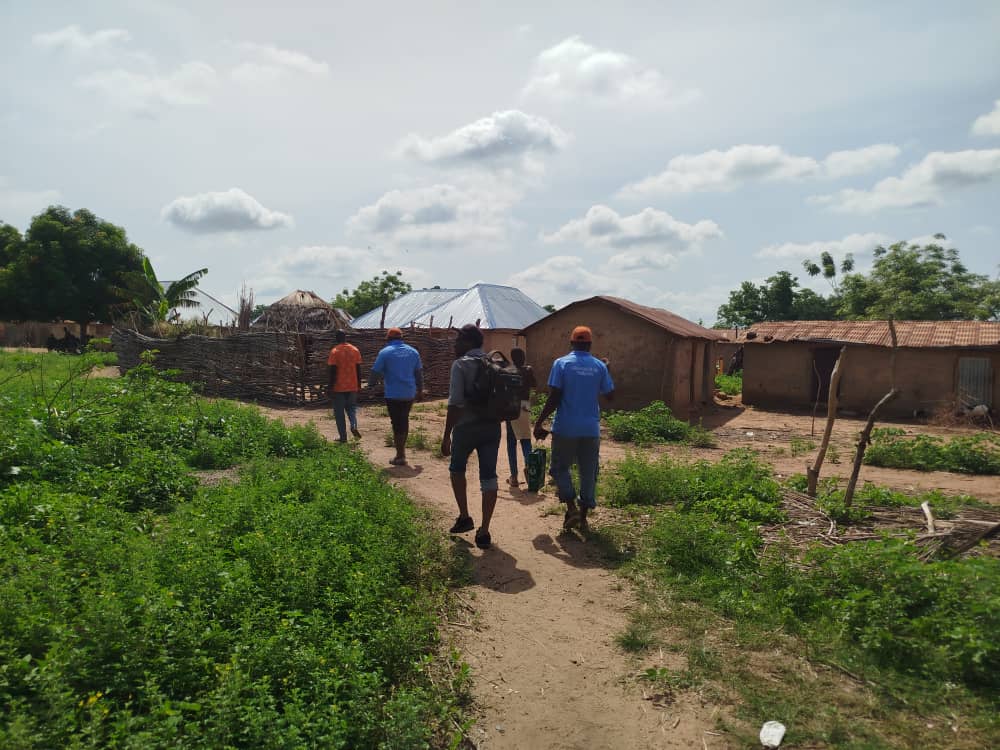
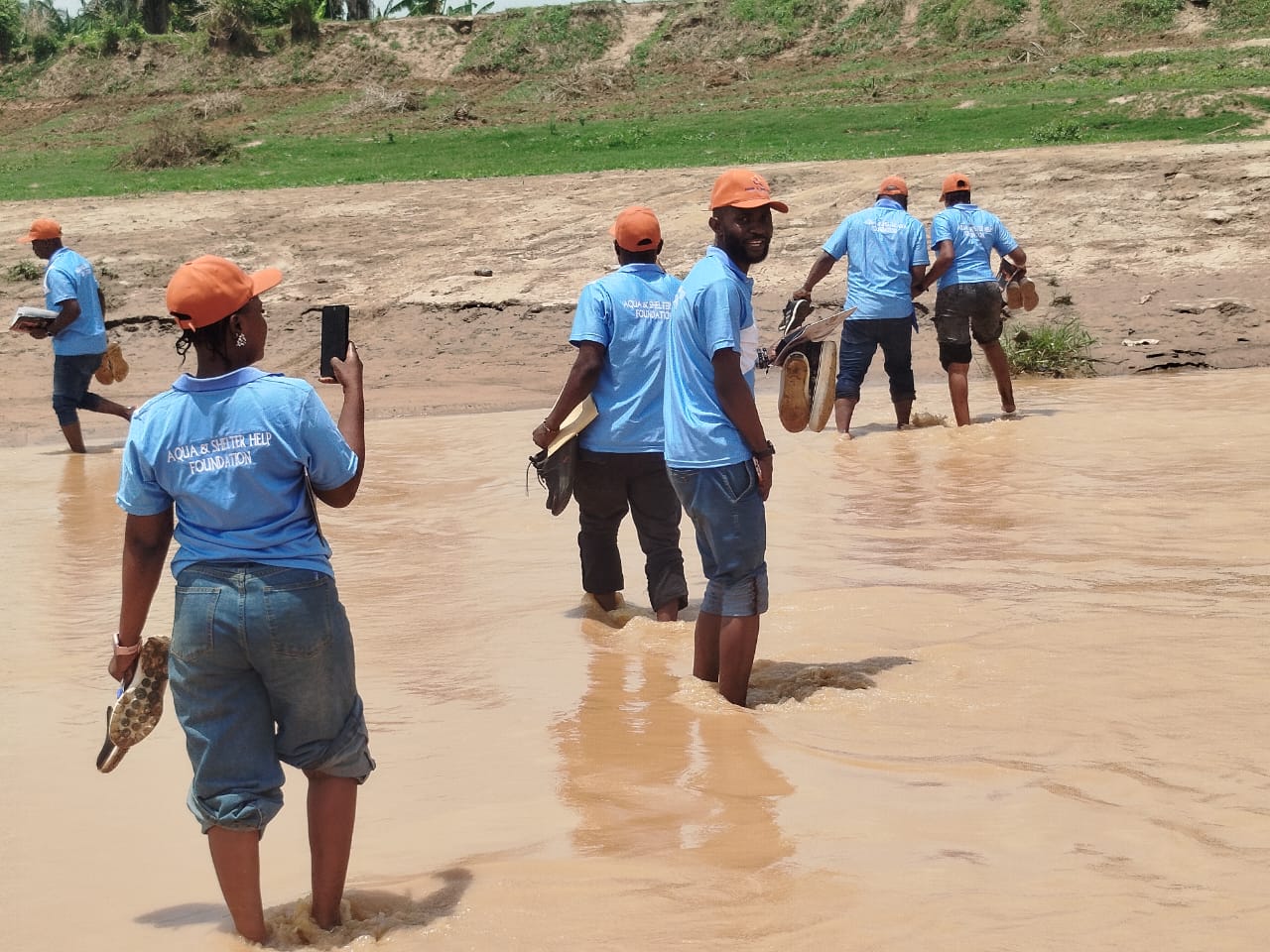
On 9th May 2026, the Aqua and Shelter Help Foundation field team travelled nearly 73 kilometers from the center of Abuja into Kpere Community, a remote rural settlement in Bassa Ward, Kwali Area Council, Federal Capital Territory, Nigeria.
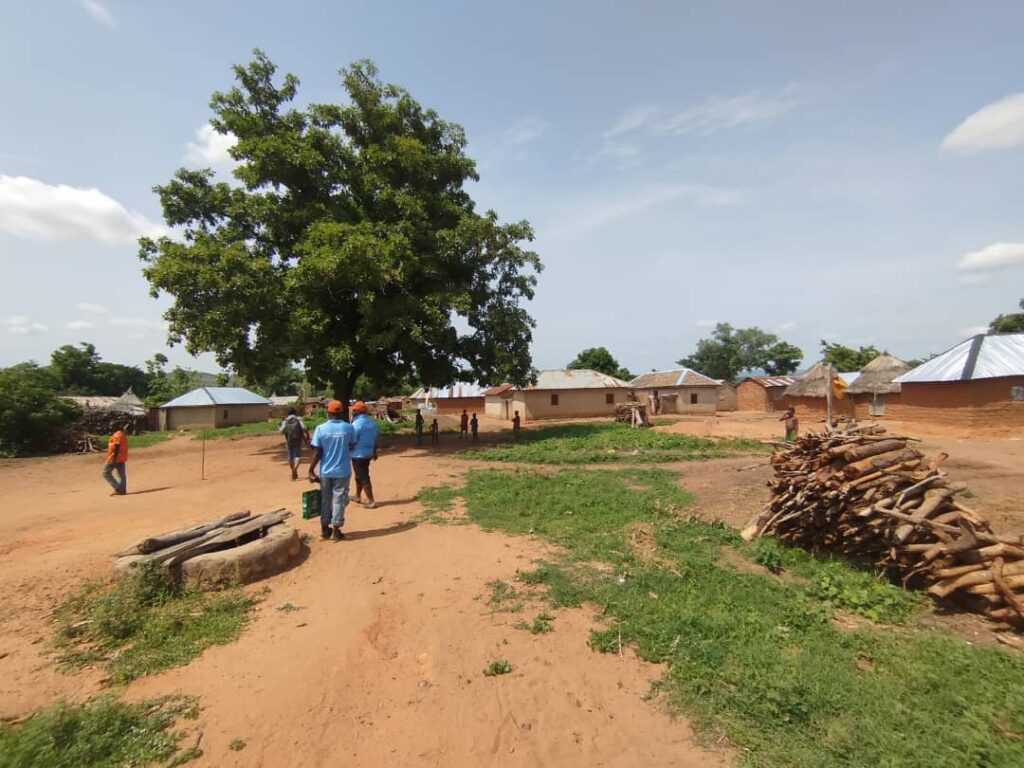
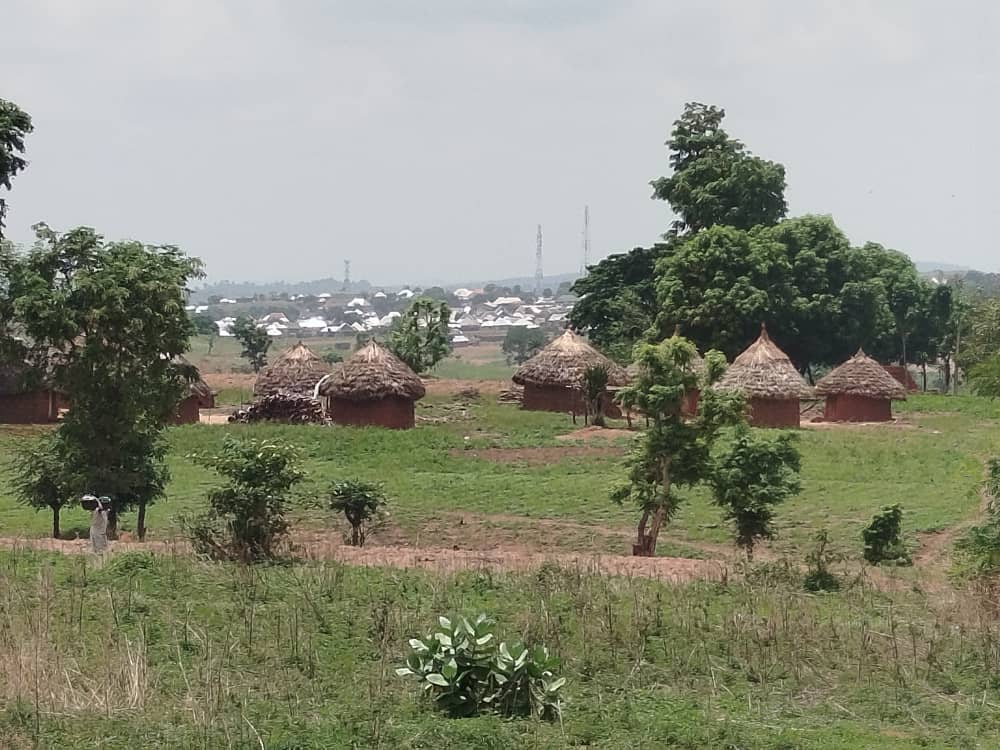
Hidden between stretches of farmland and surrounded by neighboring communities like Kuka, Pukafa, and Kweta, Kpere is one of many underserved communities in rural Nigeria facing severe challenges with clean water, sanitation, healthcare, and education.
But we did not arrive with promises.
We arrived with questions.
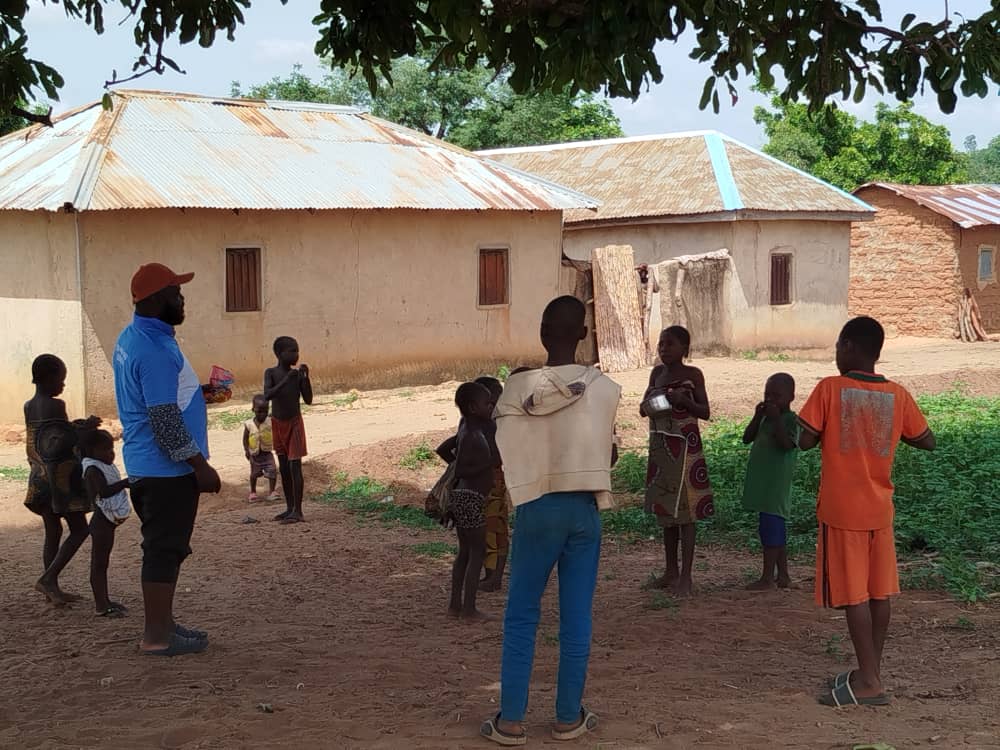
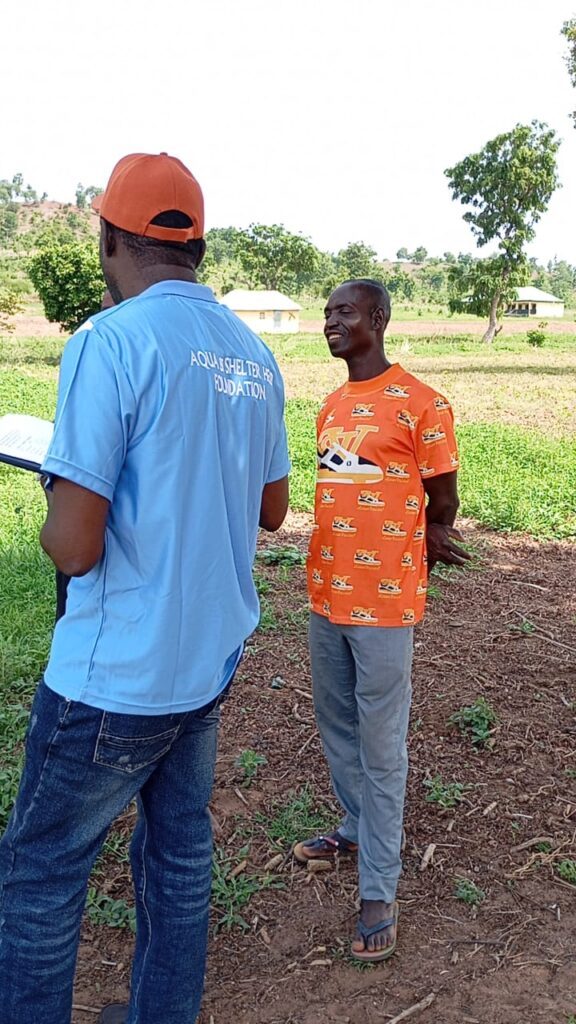
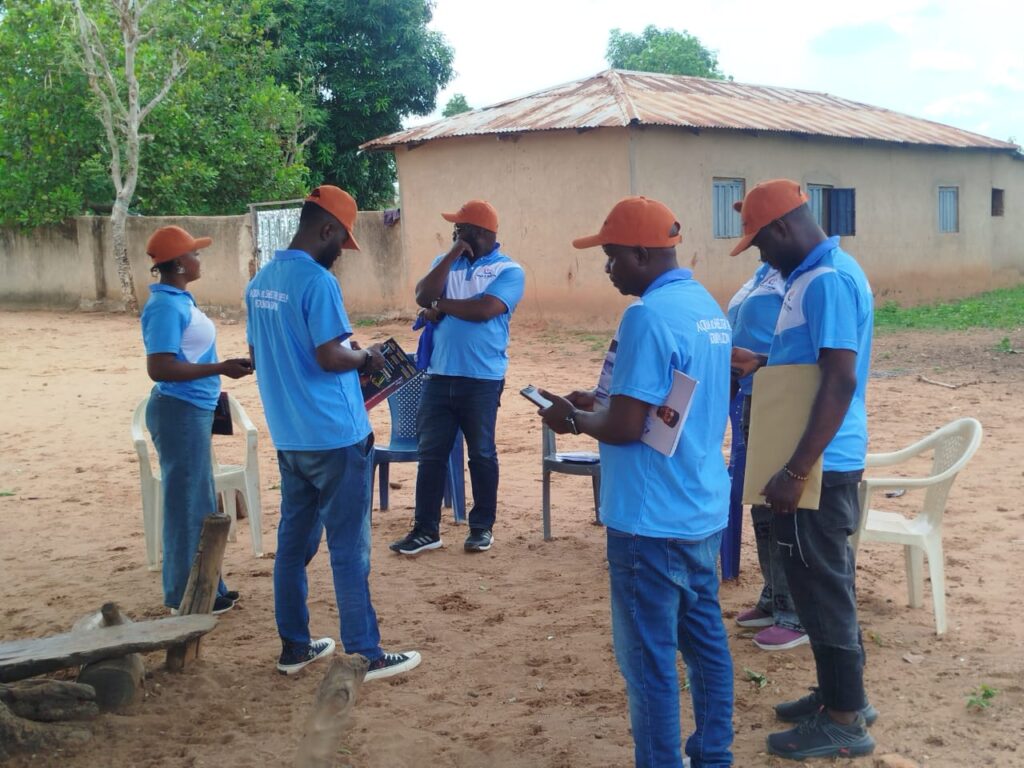
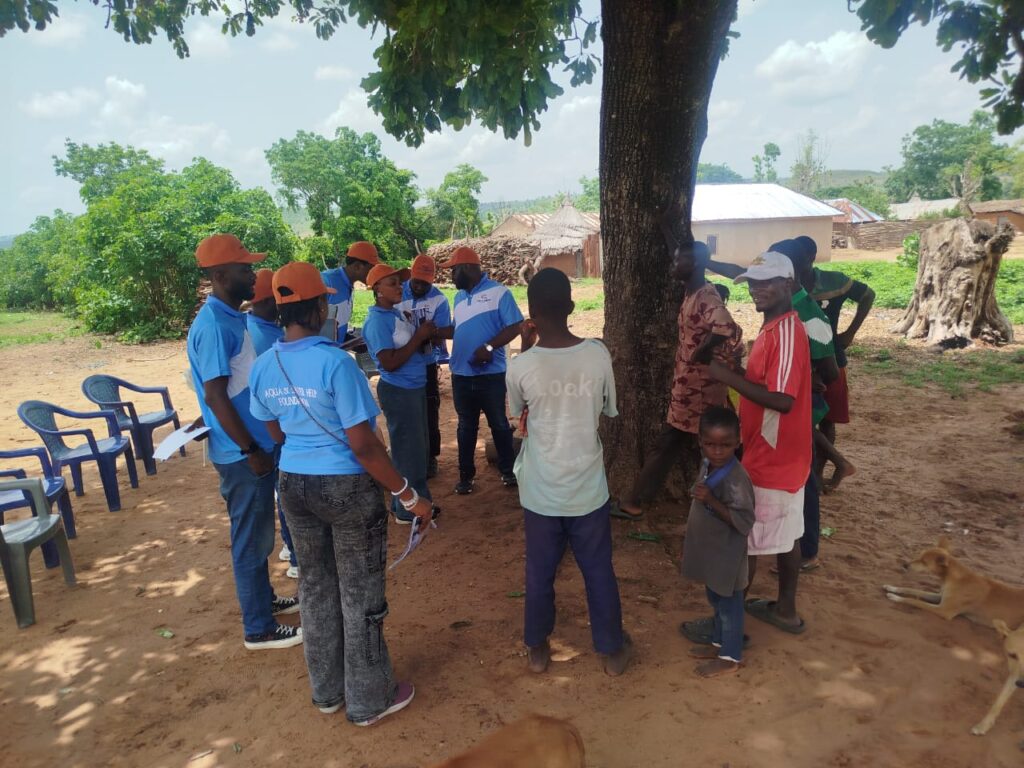
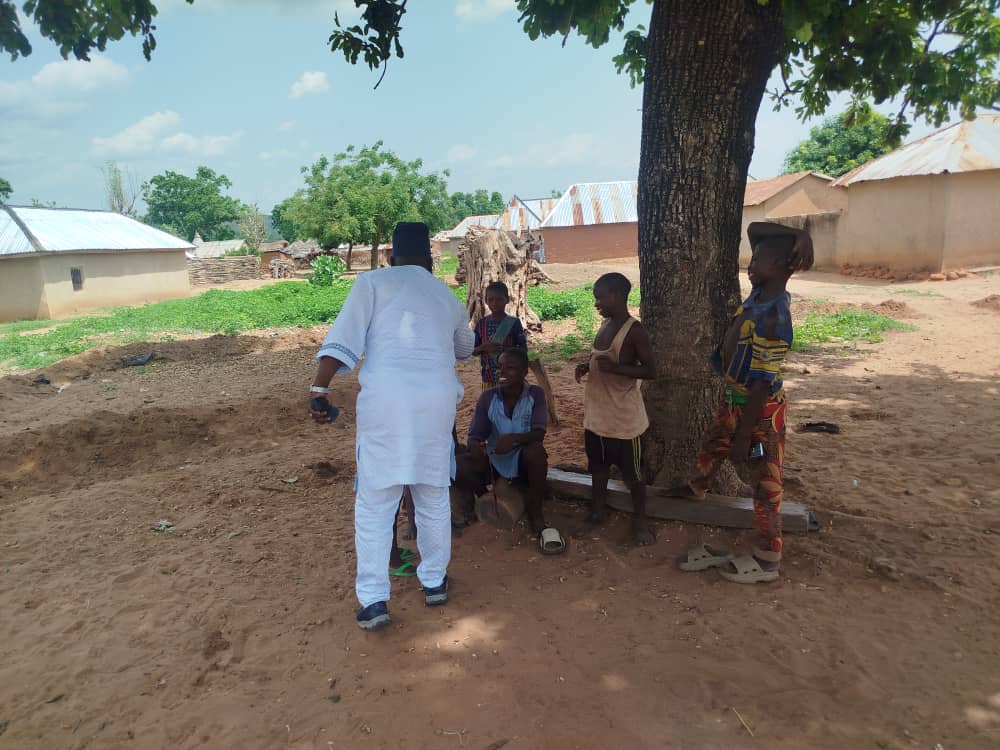
For several days, our team sat with community elders beneath shaded trees, listened to mothers returning from distant water sources, engaged youth representatives, and spoke with teachers trying to keep classrooms functional under difficult conditions.
What we discovered was not simply a list of problems.
It was the story of a resilient community fighting every day for dignity, health, and opportunity.
A Community Facing Daily Hardship
Kpere Community is home to an estimated 500 families living mainly in mud-brick houses spread across agricultural land. Most residents survive through subsistence farming, cultivating crops such as maize, sorghum, and groundnuts, while others depend on livestock rearing for income.
Despite the strength and resilience of its people, the community currently has:
- No healthcare facility
- No functional borehole
- No reliable sanitation infrastructure
- No motorable access road
- Only one struggling primary school serving hundreds of children
The nearest tarred road is approximately five kilometers away, making access to healthcare, markets, and essential services extremely difficult.
Yet perhaps the greatest challenge the people face every day is access to clean water.
The Daily Search for Water
In Kpere, water is not something people simply turn on from a tap.
It is something families struggle for every single day.
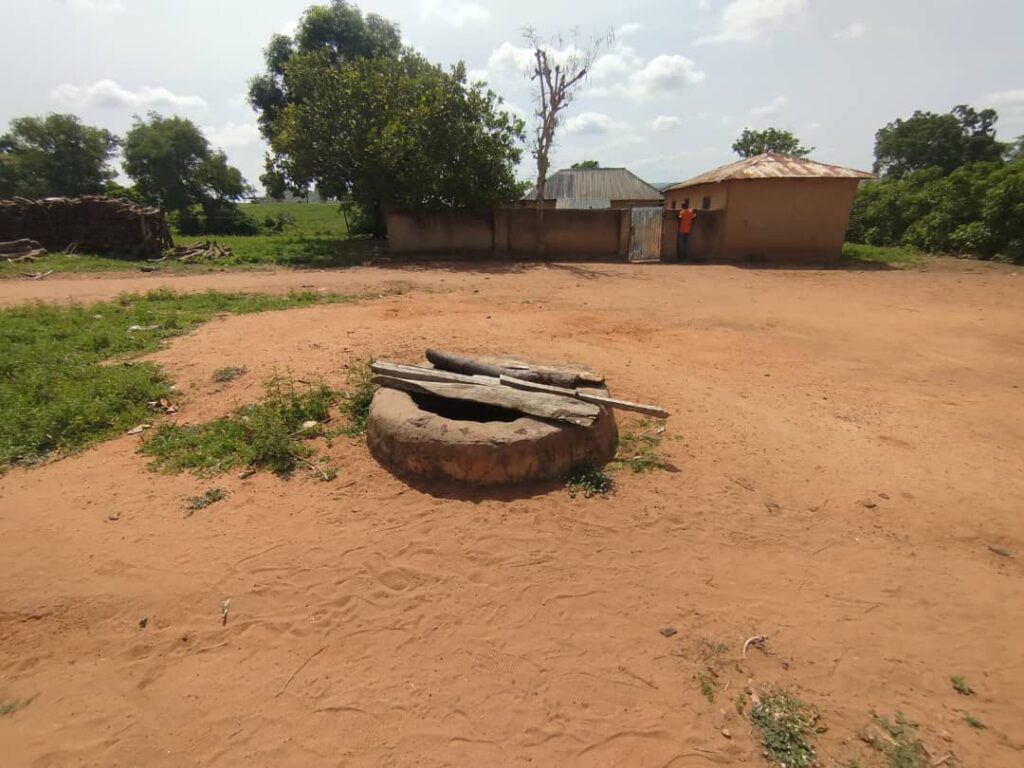
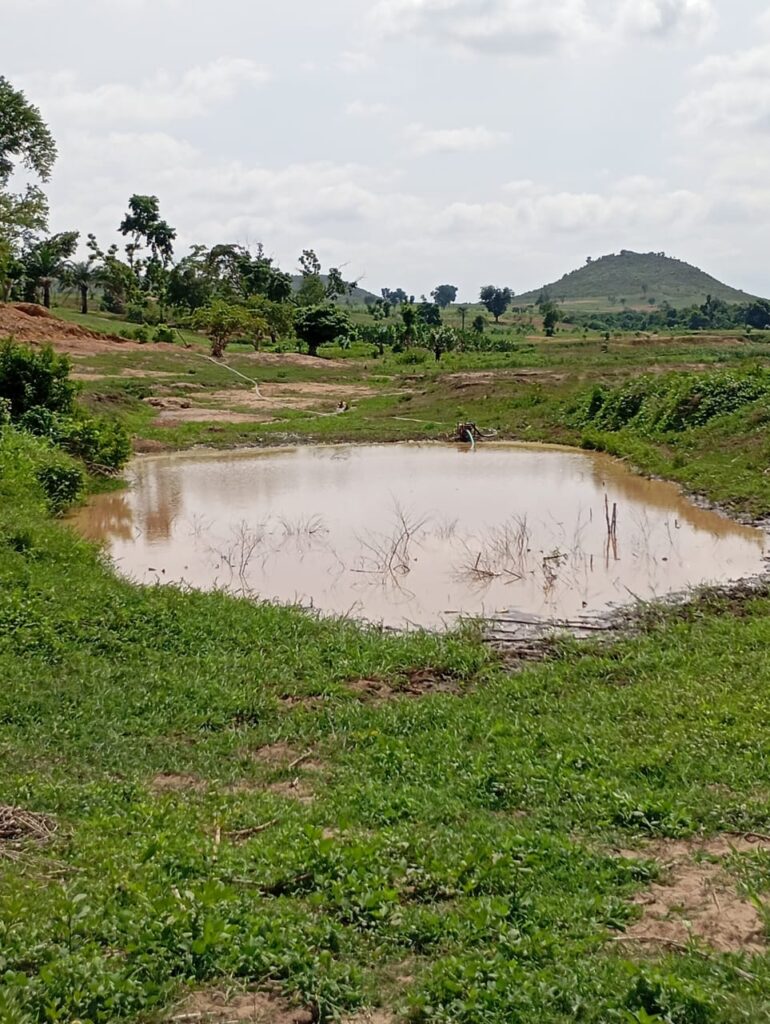
Most households rely on shallow hand-dug wells that dry up during the dry season. When those wells fail, women and children are forced to fetch water from unsafe seasonal streams shared with animals.
For many residents, the only alternative is a borehole located in neighboring Pufaka Community — nearly a three-hour round trip on foot.
Every day, women and children walk long distances carrying heavy 20-litre containers under intense heat just to secure water for drinking, cooking, and washing.
“When the dry season comes, our children fall sick because there is no clean water,” explained Mr. Daniel, the Community Leader.
Another resident, Mr. Emmanuel, shared how swollen streams during the rainy season become dangerous crossing points, with children sometimes losing their lives while attempting to fetch water.
The consequences are severe.
Community leaders reported recurring cases of diarrhea and water-related illnesses among children under five. During our visit, no regular water treatment practices were observed, and the school lacked proper handwashing facilities.
This is not just a water problem.
It is a growing public health crisis.
A Real Opportunity for Change
Despite these challenges, there is hope.
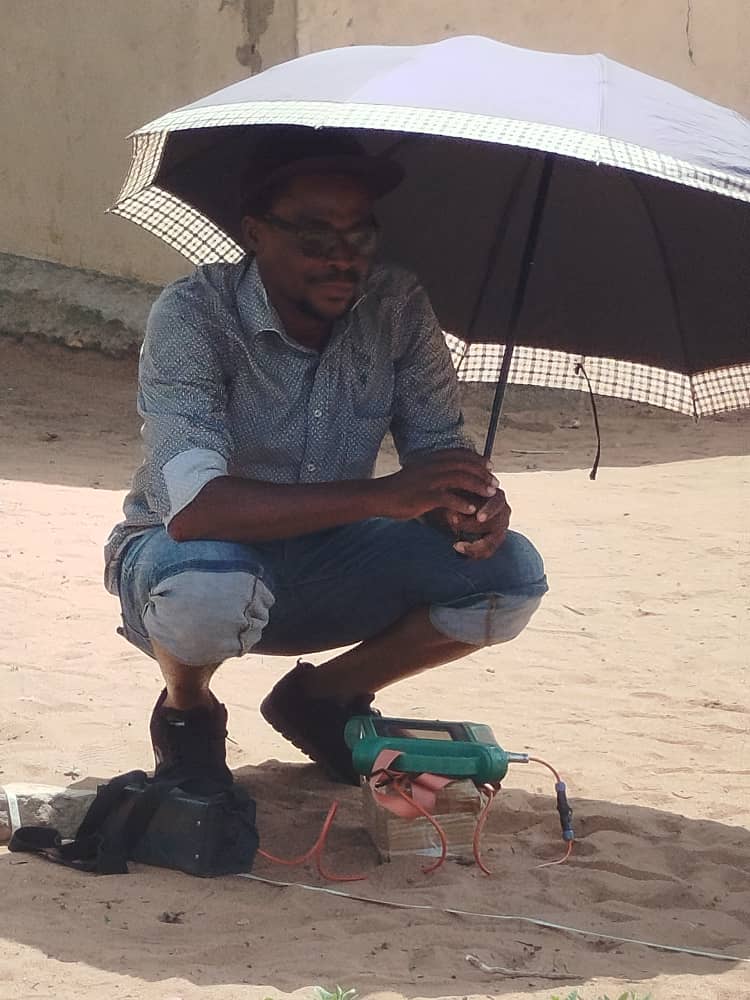
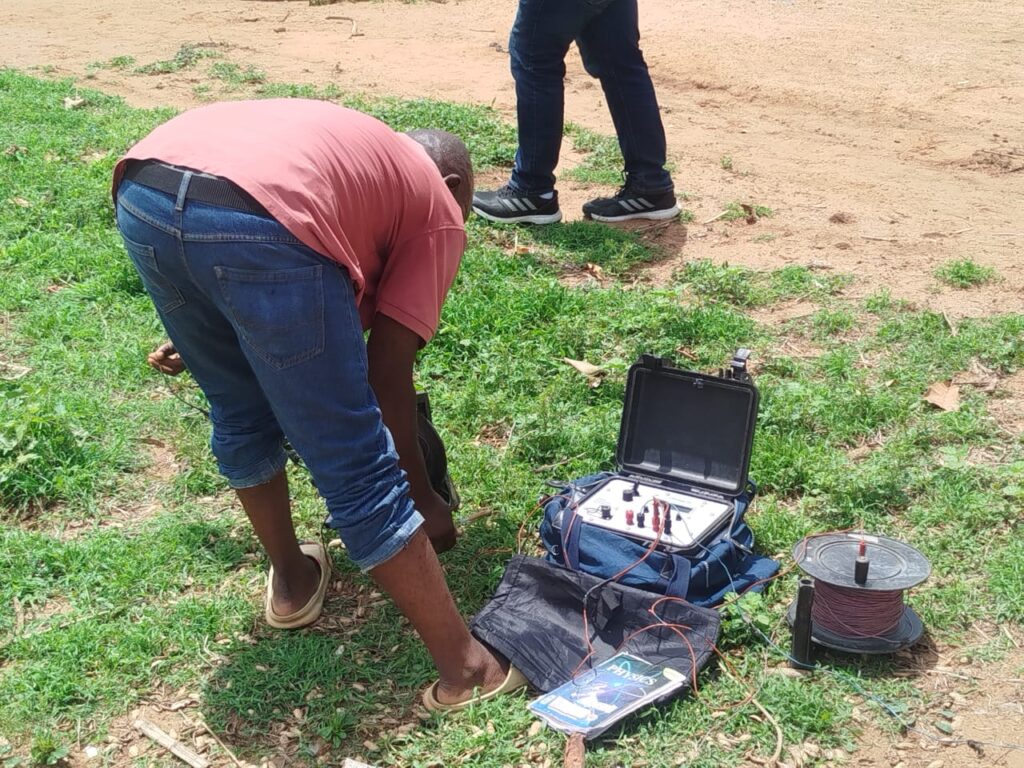
Before recommending any intervention, Aqua and Shelter Help Foundation commissioned a professional hydrological assessment using Vertical Electrical Sounding (VES) technology to determine the availability of sustainable groundwater in the community.
The findings were encouraging.
The survey confirmed that groundwater exists at a reachable depth, making the installation of a solar-powered borehole system both technically possible and sustainable.
One properly constructed borehole — equipped with overhead storage tanks and multiple water collection points — could transform life in Kpere almost immediately by:
- Eliminating the exhausting daily search for water
- Reducing waterborne diseases
- Improving school attendance among children
- Protecting women and girls from daily physical hardship
- Restoring dignity, health, and productivity within the community
Sometimes, one infrastructure project changes the future of an entire community.
Kpere is one of those moments.
The School That Refuses to Give Up
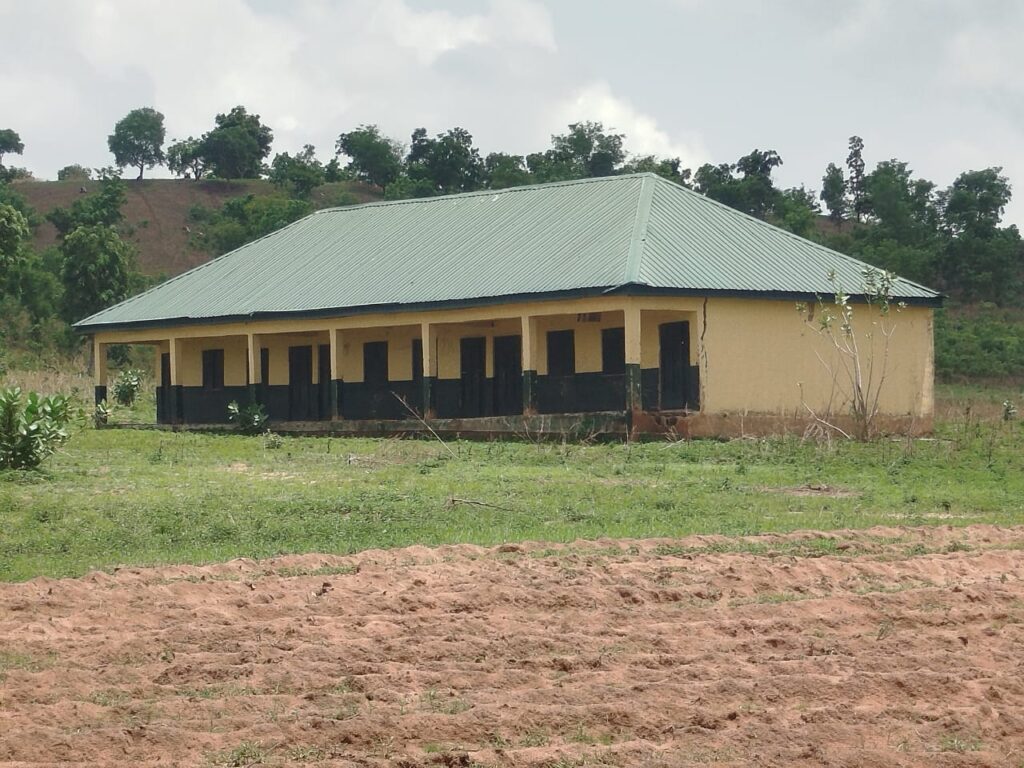
The second reality Kpere asked us to witness was the condition of its primary school.
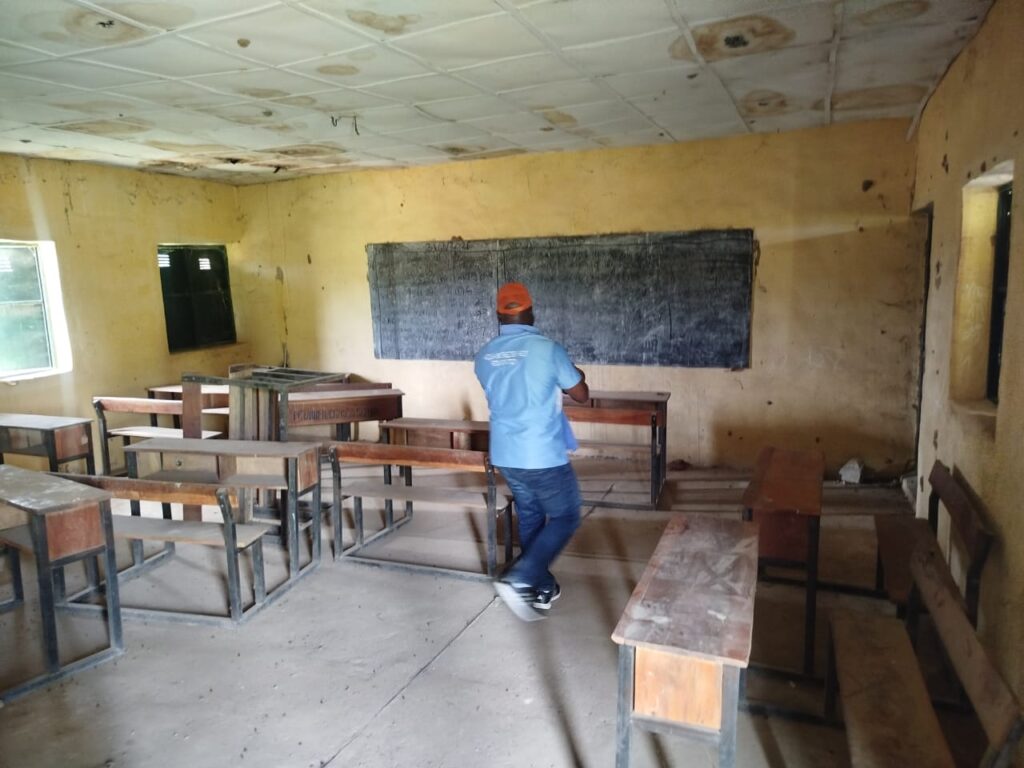
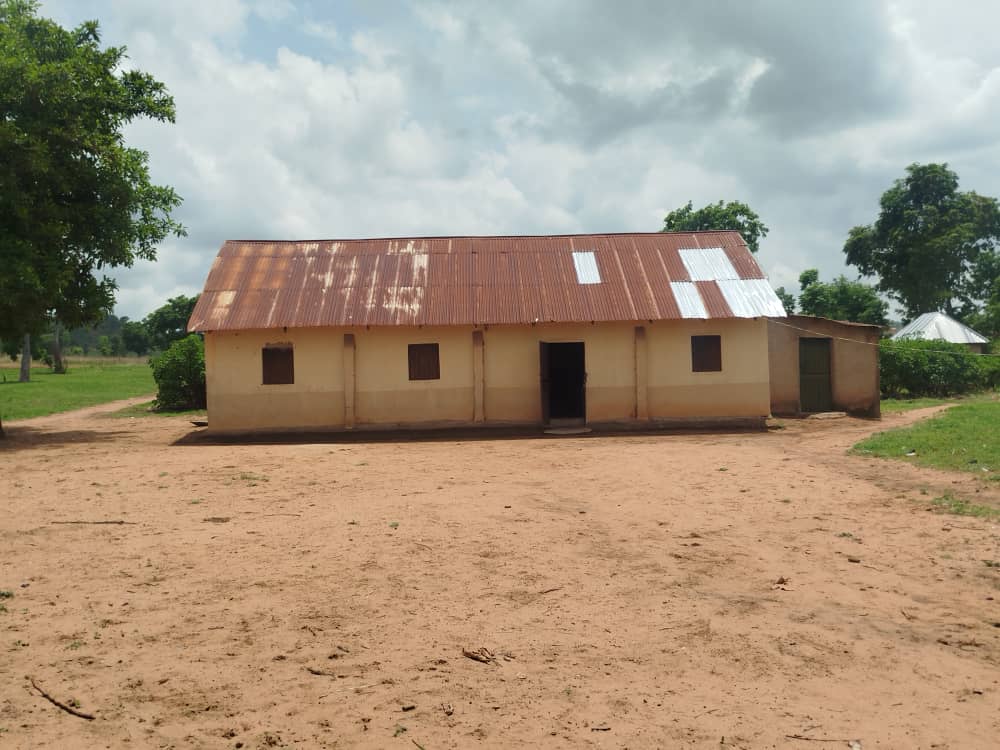
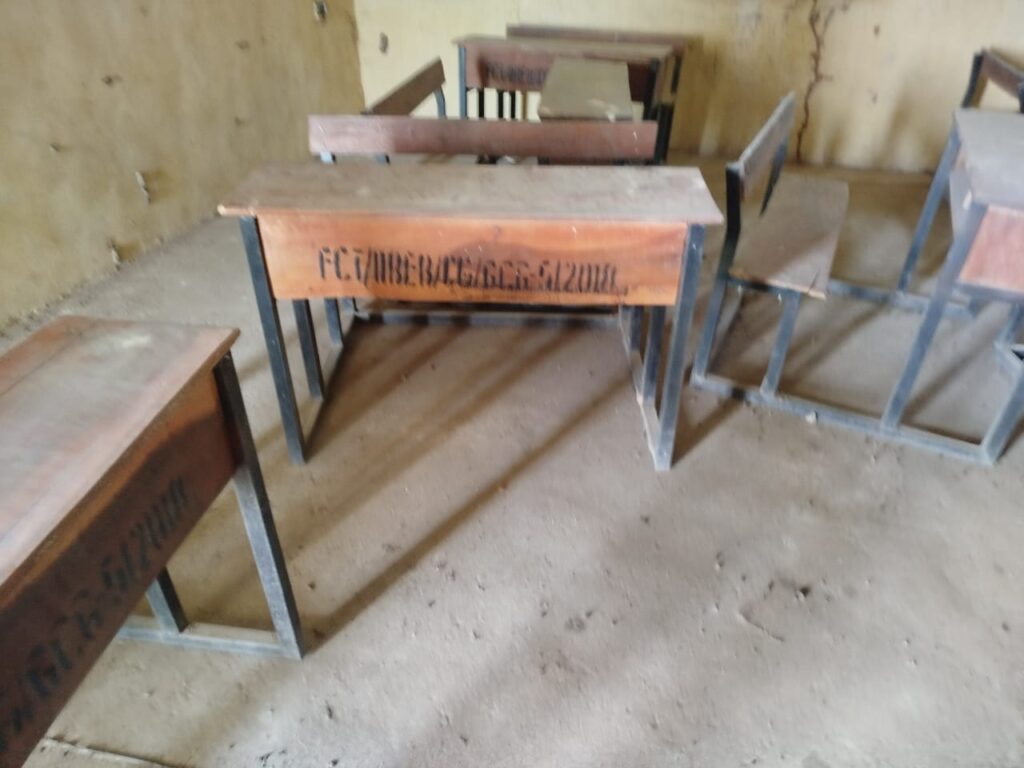
From a distance, the school building appears functional. But inside the classrooms, the conditions are heartbreaking.
Sections of ceilings have collapsed. Chalkboards are badly worn. Desks are inadequate, forcing many pupils to sit on bare floors during lessons. During heavy rains, water leaks through damaged roofing sheets and disrupts learning activities.
And yet every morning, children still come to school eager to learn.
Teachers continue teaching despite the conditions. Parents continue sending their children despite the challenges. The community continues believing education can provide a better future.
What the people of Kpere are asking for is not luxury.
They are asking for:
- Safe classrooms
- Functional desks and learning materials
- Roofs that do not leak
- Toilets that protect the dignity and safety of girls
- A learning environment children can be proud of
These may seem like small interventions.
But for Kpere, they represent hope.
Development That Includes the Community
At Aqua and Shelter Help Foundation, we believe sustainable development only succeeds when communities are fully involved.
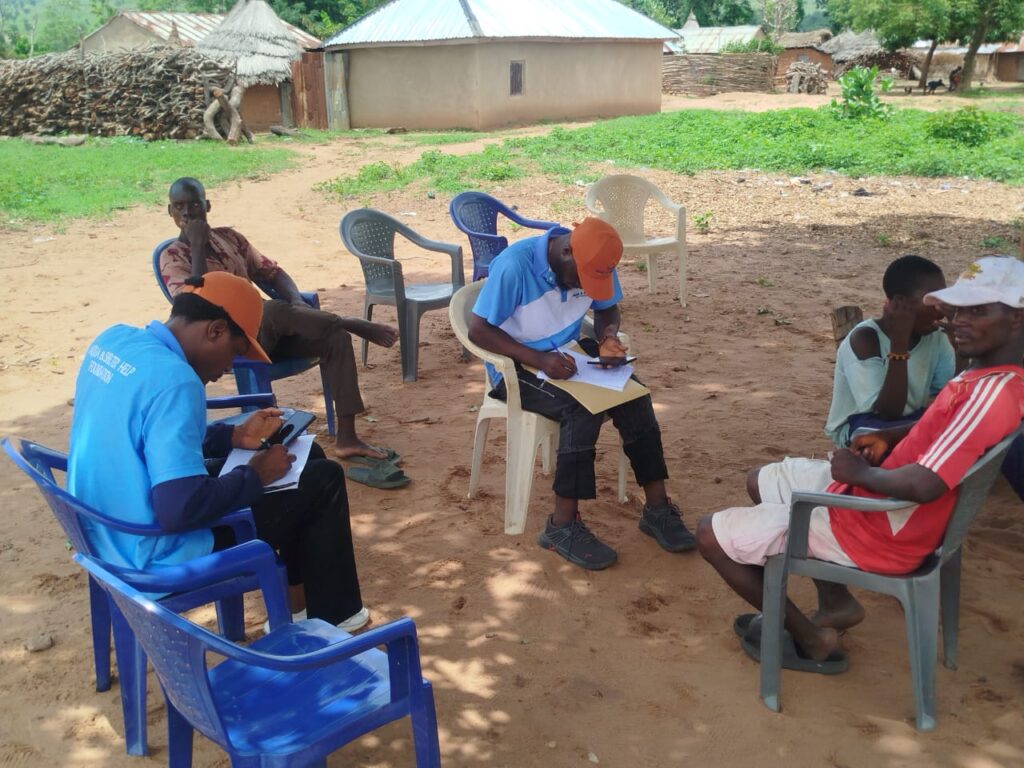
That is why our assessment included consultations with:
- Traditional leaders
- Women representatives
- Youth groups
- Teachers
- Household heads and local stakeholders
Our team also carried out inspections of existing water sources, school infrastructure, sanitation conditions, and access roads before any funding discussions began.
Most importantly, Kpere Community demonstrated ownership and commitment from the beginning.
The community formally agreed to provide:
- Land for project implementation
- Local labor support
- A Water and Sanitation Management Committee with at least 40% women representation to oversee long-term maintenance
This is the kind of local participation that makes development sustainable long after project commissioning.
Priority Interventions Identified
Following the field assessment, four immediate priorities were identified jointly by the community and project team:
1. Installation of a Solar-Powered Borehole
Including overhead tanks and multiple water distribution points.
2. Rehabilitation of LEA Primary School
Including roofing repairs, classroom furniture, ceiling replacement, chalkboards, and sanitation facilities.
3. Community-Led WASH Programs
Focused on hygiene education, safe water storage, and handwashing practices.
4. Capacity Building for the Water Management Committee
To ensure long-term sustainability and local ownership.
An Invitation to Partners and Donors
Kpere Community does not lack resilience.
It does not lack participation.
It does not lack willingness to grow.
What it lacks is access to basic infrastructure many people take for granted.
Today, there is a real opportunity to change that story.
A fully costed project proposal, technical assessment report, hydrological survey, and Bill of Quantities are currently being finalized and will be made available to donors, development partners, corporate organizations, and philanthropic supporters interested in making lasting impact.
Because sometimes the most meaningful change begins with something simple:
Water flowing where there was none before.
And children finally learning in classrooms built for their future.